
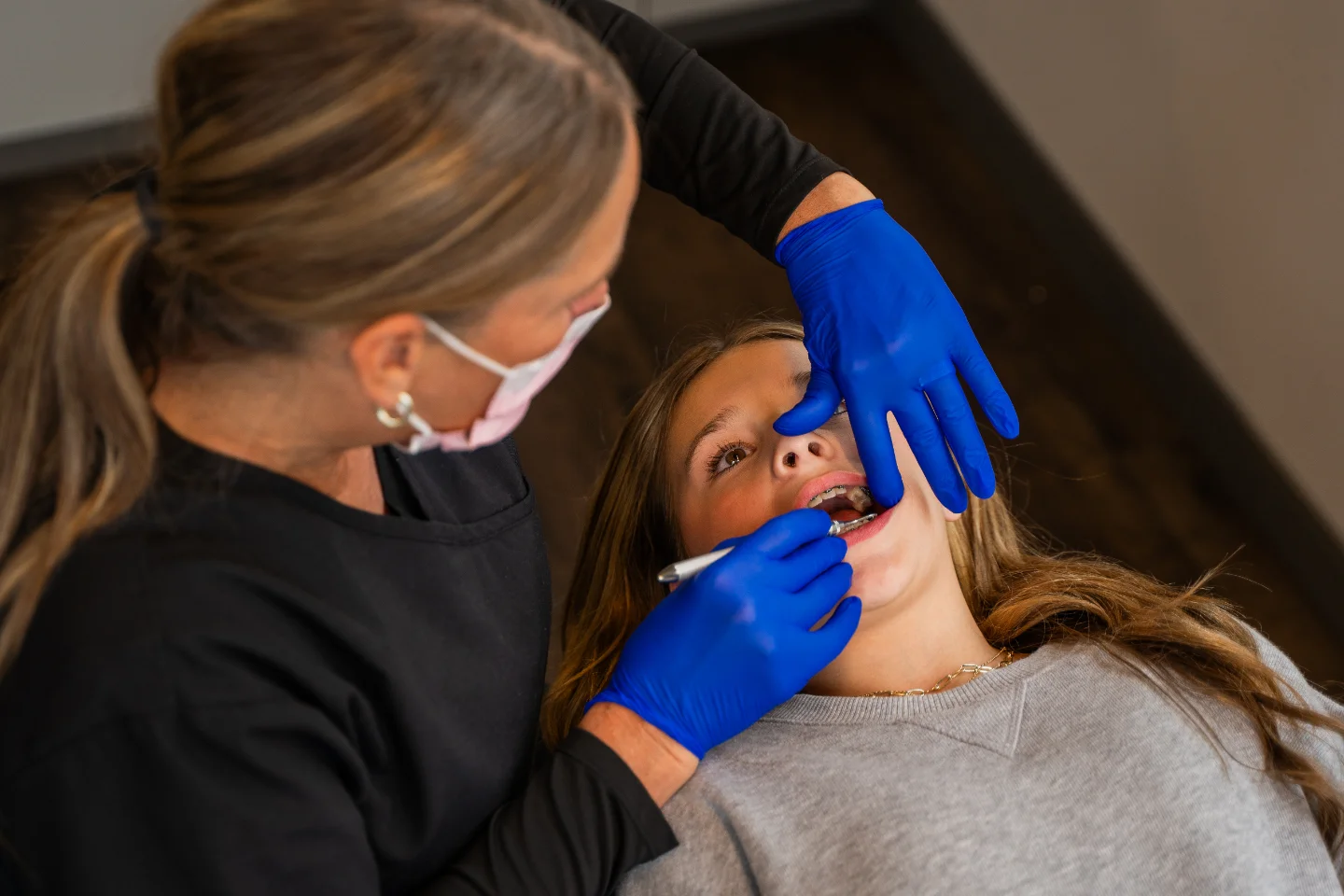
Modern orthodontic care looks nothing like it did even a decade ago. Today's treatment options use advanced technology to move teeth more efficiently. That means less time in braces and fewer hours in the orthodontic chair. Sure, it's more convenient. But the bigger deal is how orthodontists now approach smile correction differently, with tools and techniques that work smarter at every stage.
Where orthodontics once relied solely on metal brackets and manual adjustments every few weeks, practices like Orthodontics of the Lehigh Valley now use tools like self-ligating bracket systems, clear aligner technology, digital scanning, and 3D printing to create more precise, comfortable smile experiences. A board-certified doctor brings both clinical expertise and access to these innovations, giving patients a real advantage from day one.
What Are the Key Advances in Modern Orthodontics?
Key advances in modern orthodontics include self-ligating brackets, clear aligner systems, digital intraoral scanning, AI-assisted treatment planning, accelerated techniques like micro-osteoperforation and photobiomodulation, and remote monitoring technology. Together, these innovations reduce treatment time, improve precision, and make the overall smile process more comfortable for patients of all ages.
Self-ligating brackets represent one of the most significant mechanical advances. These brackets use a built-in sliding door to hold the archwire, eliminating the need for elastic ties. Reduced friction allows teeth to move more freely along the wire. A board-certified doctor trained in these systems can fine-tune the mechanics for each patient's unique anatomy, which is part of what sets us apart from practices still relying on older methods.
Clear aligner systems like Invisalign have changed treatment for millions of patients who prefer a more discreet option. These aligners can be changed at home on a set schedule, and each tray is engineered to produce specific, controlled tooth movements. The technology behind aligner design has improved dramatically, with better materials and more sophisticated staging of movements than earlier generations offered.
Digital intraoral scanning has replaced messy impression trays for many patients. A small wand captures thousands of images to create a precise 3D model of your teeth in minutes. That digital model then feeds into treatment planning software that can map out every stage of tooth movement before you ever get started with your aligners or braces.
Accelerated orthodontics techniques have also made a big difference. Methods like micro-osteoperforation create tiny, controlled stimulations in the bone to encourage faster remodeling. Photobiomodulation uses low-level light therapy to boost cellular activity around tooth roots. For the right candidates, these approaches can meaningfully reduce overall treatment duration.
One of the bigger shifts is how AI-assisted treatment planning helps orthodontists predict tooth movement with greater accuracy. These systems analyze your specific anatomy and create customized force sequences that work with your biology rather than against it. You get more efficient movement with less discomfort.
Remote monitoring technology has also changed how often you need to visit modern office spaces. Smartphone apps allow you to take photos of your progress, which our orthodontist reviews to confirm everything is tracking correctly. Fewer trips for routine check-ins means more time for your daily life.
How These Technologies Work to Speed Up Treatment
Modern orthodontic technologies reduce treatment time through three key mechanisms: self-ligating brackets that minimize friction, digital 3D planning that pre-programs precise tooth movements, and remote monitoring that replaces routine visits to modern office spaces. Here's how each one works.
Self-ligating brackets operate through a simple but effective principle: reduced friction means easier movement. Traditional brackets require elastic or wire ties to hold the archwire in place. Those ties create friction that the orthodontic forces must overcome before teeth can move. Self-ligating systems use a clip or door mechanism that holds the wire loosely, allowing it to slide freely.
Gentle, consistent pressure from the wire translates directly into tooth movement without fighting against tie friction. When you visit a board-certified doctor for your first visit, they'll assess whether self-ligating brackets are the right fit for your case.
Digital treatment planning with 3D imaging has changed precision in orthodontics. When you visit our orthodontist for initial records, a digital scan captures your entire dental arch in high resolution. From there, the scan becomes the foundation for virtual treatment simulation.
Using specialized software, our orthodontist can model how each tooth needs to move, in what sequence, and at what rate. For clear aligner patients, every single tray is designed with specific movements programmed in. You can even see a virtual preview of your expected results before treatment begins.
How do clear aligners actually work? They apply controlled pressure through a series of custom-fitted trays. Each tray is slightly different from the last, gradually shifting teeth into better positions. Because patients change trays at home (typically every one to two weeks), the need for in-person adjustments drops significantly.
Our orthodontist still monitors progress, but much of this now happens through photos and virtual check-ins.
Remote monitoring apps have become increasingly sophisticated. The process is pretty straightforward. You take weekly or biweekly photos following specific prompts, and the images upload securely to your care team's system. AI algorithms flag potential concerns while your team reviews the images to confirm everything is progressing as planned.
If something looks off, they'll contact you to schedule an appointment. When everything looks good, you simply continue with your current plan.
Accelerated orthodontic techniques target the biological process of bone remodeling. Teeth move through bone by a process where bone cells break down tissue on one side of the tooth root (resorption) while building new bone on the other side (deposition).
Techniques like micro-osteoperforation create small perforations in the bone that trigger a localized inflammatory response, speeding up this natural remodeling cycle. The procedure takes just minutes and is performed with local anesthesia.
Photobiomodulation uses specific wavelengths of light to stimulate cellular activity in the tissues surrounding tooth roots. Patients use a device at home for a few minutes daily. Research suggests this therapy speeds up tooth movement while potentially reducing discomfort during treatment.
Benefits of Faster Orthodontic Treatment and Fewer Office Visits
Faster orthodontic treatment and fewer visits to modern office spaces offer advantages that go well beyond simply finishing sooner, though that's certainly appealing. At Orthodontics of the Lehigh Valley, patients are seeing real differences in their day-to-day lives during treatment. Because orthodontics is for everyone, these benefits apply whether you're an adult professional or a teen heading back to school.
How Does Faster Treatment Improve Comfort and Convenience?
Reduced time in active treatment means you reach your new smile faster. According to the American Association of Orthodontists, treatment duration varies based on individual needs, but many patients using advanced methods complete treatment in a shorter timeframe than traditional approaches would require.
Fewer visits to modern office spaces translate directly to quality-of-life improvements:
- Less time away from work or school
- Fewer scheduling conflicts around activities and family commitments
- Reduced transportation time and the stress of managing frequent appointments
All of that adds up to more flexibility in your daily routine, which matters when you're balancing a busy life.
Improved comfort comes from the lower-force, high-efficiency systems now available. Self-ligating brackets and modern clear aligners apply gentler, more consistent pressure than older methods. Many patients report less soreness after adjustments or tray changes.
Why Does Shorter Treatment Lead to Better Oral Health Outcomes?
Better oral hygiene outcomes often result from shorter treatment duration. The less time you spend in braces or aligners, the less time plaque and bacteria have to accumulate around brackets or under aligner trays. This can mean healthier gums and fewer white spot lesions when treatment ends.
Digital planning also enhances predictability, which reduces unexpected complications. When our orthodontist can simulate treatment virtually and identify potential challenges before starting, fewer mid-course corrections are needed. That means fewer emergency appointments and a smoother path to your final result.
Greater aesthetic options during treatment appeal to many patients, too. Clear aligners are nearly invisible, and even modern bracket options come in tooth-colored ceramic materials. Spending less time in treatment means less time thinking about how your orthodontic appliances look.
Traditional Orthodontics vs. Advanced Treatment Methods: A Comparison
Understanding how these approaches differ can help you make an informed decision about your care.
| Factor | Traditional Braces | Advanced Methods |
|---|---|---|
| Typical Treatment Duration | 18-36 months | 12-24 months |
| Visit Frequency | Every 4-6 weeks | Every 8-12 weeks (in many cases) |
| Adjustment Method | Manual wire changes and tie replacements | Pre-programmed sequences, self-ligating mechanics |
| Initial Records | Putty impression trays | Digital intraoral scanning |
| Progress Monitoring | In-person only | Remote monitoring + in-person |
| Comfort Level | Moderate discomfort common after adjustments | Generally gentler forces |
| Aesthetic Options | Metal or ceramic brackets visible | Clear aligners nearly invisible |
Ranges are general estimates. Your timeline depends on your specific case and treatment plan.
So why do advanced methods tend to finish faster? It comes down to mechanical efficiency. Traditional braces work well but require more frequent adjustments to keep teeth moving at the right pace. Advanced systems maintain consistent pressure for longer periods, which cuts down on the stop-and-start pattern of older methods. The result is steadier progress with fewer interruptions.
Visit schedules differ because modern approaches simply need less manual intervention. Self-ligating brackets don't require tie changes, and clear aligner patients change trays at home. Remote monitoring catches issues early, so not every check-in requires a trip to modern office spaces. For busy families, that flexibility makes a real difference.
When it comes to comfort, newer methods have the edge for many patients. Lower friction and gentler forces mean less post-adjustment soreness. Clear aligners can be removed for eating and cleaning, eliminating food restrictions and simplifying oral hygiene. Accuracy and predictability have improved dramatically with digital planning, too. While our orthodontist's expertise remains essential, digital tools now support that skill with precise measurements and simulated outcomes.
That said, traditional braces remain an excellent choice for many patients. Complex cases, certain bite issues, and patient preferences may make conventional brackets the best option. The "best" treatment is always the one that addresses your specific needs most effectively.
Cost Factors: Does Faster Treatment Mean Higher Costs?
Advanced orthodontic treatment doesn't automatically mean a bigger bill. In many cases, efficiency gains from digital scanning and fewer visits offset technology investments. Most dental insurance plans cover modern methods like Invisalign at comparable levels to conventional braces.
Investment in technology often pays for itself through efficiency gains. Practices using digital scanning, for example, save time and materials compared to traditional impressions. These savings can offset equipment purchases without raising patient fees.
Fewer visits reduce overhead for our practice. Each appointment requires team time, supplies, and operational resources. When remote monitoring handles routine check-ins, those resources can be allocated differently, and the savings often benefit patients.
Insurance Coverage
Insurance coverage for modern orthodontic treatment has kept pace with advances. Most dental insurance plans that cover braces also cover clear aligners like Invisalign at comparable levels. Your benefits apply based on the treatment need, not the specific method used.
Flexible Payment Options
Flexible payment options make treatment manageable for most budgets. Orthodontics of the Lehigh Valley offers low monthly payment options to help families understand their monthly investment. Spreading the total over time makes orthodontic treatment more affordable than many patients expect.
Long-Term Value
Long-term value matters too. Shorter treatment means fewer indirect demands on your time, like missed work, childcare during appointments, and transportation. When you factor in the full investment of time and fees, faster treatment often delivers better overall value.
The best way to understand pricing for your specific situation is through a complimentary consult with our orthodontist. They can assess your needs, recommend appropriate treatment options, and provide clear financial information.
Who Is a Good Candidate for Accelerated Orthodontic Treatment?
Good candidates for accelerated orthodontic treatment include teens and adults with mild to moderate alignment issues, good oral health, and adequate bone density. Most people seeking orthodontic care can benefit from at least some modern advances. That said, certain factors influence which technologies work best for each patient, and a thorough evaluation is the best place to start.
Strong candidates for accelerated treatment typically include:
- Teens and adults with mild to moderate alignment issues
- Patients with good oral health (healthy gums, no active decay)
- Individuals with adequate bone density to support efficient remodeling
- People motivated to follow treatment protocols consistently
- Those who can commit to remote monitoring requirements
Clear aligners work well for many patients but require discipline. You must wear trays 20-22 hours daily and change them on schedule. If you're likely to remove aligners frequently or forget to wear them, traditional braces might deliver better results. Our orthodontist can help you figure out which option fits your lifestyle.
Self-ligating braces benefit nearly any patient who would otherwise receive traditional brackets. The mechanical advantages apply regardless of case complexity, though the degree of time savings varies.
What about accelerated techniques like micro-osteoperforation? These are reserved for patients who want to maximize speed and are willing to undergo a minor procedure. Our orthodontist evaluates bone health and overall candidacy before recommending these approaches.
Complex cases requiring surgical intervention or addressing severe skeletal discrepancies still benefit from digital planning efficiencies even if overall treatment takes longer. The precision of modern planning helps ensure surgical procedures achieve the best possible results.
Two-phase treatment patients (children who receive early intervention followed by full treatment as teens) often see reduced Phase II duration thanks to advanced tools. Early treatment creates a better foundation, and modern methods capitalize on that preparation. Because confident smiles change lives, investing in the right approach early on pays dividends down the road.
A visit with our orthodontist determines the best approach for you. During your first visit, you can explore which technologies apply to your situation and get a clear picture of what kind of timeline to expect.
Frequently Asked Questions About Faster Orthodontic Treatment
How much faster is Invisalign compared to traditional braces?
Invisalign often completes mild to moderate cases in 12-18 months, which can be shorter than the 18-36 month range for traditional braces. Duration depends on your specific orthodontic needs. Our orthodontist can estimate your expected treatment time during a complimentary consult based on your individual situation.
Can accelerated orthodontics damage teeth or gums?
No, not when performed by a trained orthodontist. Methods like micro-osteoperforation work with your body's natural bone remodeling process, enhancing it rather than forcing unnatural movement. Our orthodontist evaluates your oral health before recommending any accelerated approach to confirm you're a good candidate.
How does remote monitoring work during orthodontic treatment?
You use a smartphone app to capture photos of your teeth at regular intervals. Following specific prompts, you photograph your smile from several angles and submit the images through the secure app. Your care team reviews these photos and contacts you if an in-person visit is needed.
Do self-ligating braces really reduce treatment time?
Yes. Self-ligating braces reduce treatment time for many patients by decreasing friction and allowing more efficient tooth movement. The brackets use a clip mechanism instead of elastic ties, which means the archwire slides more freely. This mechanical advantage translates to faster progress and longer intervals between adjustment appointments.
How often will I need visits with modern orthodontic treatment?
Modern orthodontic treatment typically requires visits every 8-12 weeks, rather than the traditional 4-6 week schedule. Remote monitoring handles routine progress checks between appointments. You'll still have regular in-person visits for wire changes, aligner check-ins, and professional assessments, just less frequently than older approaches required.
Is advanced orthodontic technology available for children?
It is. Many modern advances apply to pediatric patients. Digital scanning is often more comfortable for children than traditional impression trays. Self-ligating brackets work well for kids who need braces. Some accelerated techniques are appropriate for older children and teens, though our orthodontist evaluates each young patient individually to determine the safest, most effective approach.
Orthodontic treatment has changed dramatically, and those changes benefit you directly. Reduced treatment times, fewer visits, and improved comfort make achieving your new smile more convenient than ever. Whether you're considering clear aligners, self-ligating braces, or accelerated techniques, the right approach depends on your unique needs and goals. Remember, the journey is just as important as the result.
Ready to upgrade your smile? Schedule your complimentary consult to find out how today's technology can help you get started. Book your complimentary consult today and discover what sets us apart.