
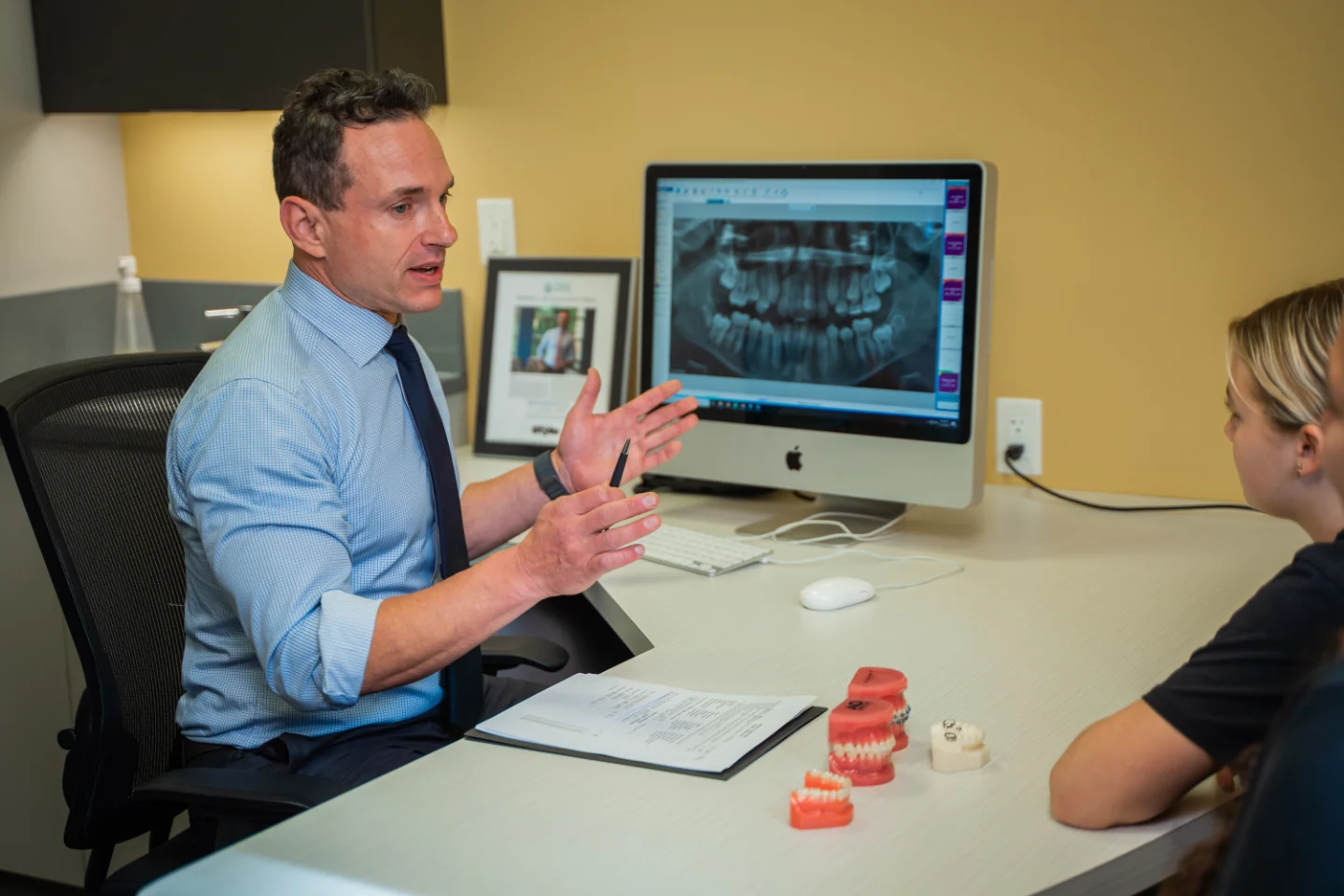
The way people find orthodontic care has changed dramatically. Five years ago, searching for an "orthodontist near me" meant scrolling through a map, clicking a few websites, and calling to schedule. Today? That same search might start with an AI assistant summarizing your best options before you even see a list.
Patients aren't just looking for proximity anymore. They want practices that meet them where they are: online, on their schedule, and with the information they need at their fingertips. This shift explains why digital-first practices are winning more searches than ever before. According to a 2023 AAO survey, the majority of patients now begin their search for orthodontic care online before ever picking up the phone.
What Is a Digital-First Orthodontic Practice?
A digital-first orthodontic practice prioritizes online accessibility, modern technology, and patient-centered digital tools throughout the entire smile process. Rather than treating digital as an add-on, these practices build their operations around making every step, from discovery to treatment completion, as convenient and transparent as possible.
This goes far beyond having a website or posting on social media. Think about what it actually looks like day to day.
Digital intake forms replace clipboards in the waiting room. Virtual consults let you discuss treatment options from your living room. 3D scanning and digital treatment planning show you exactly what your smile could look like before you commit to anything.
The rise of AI-powered search has accelerated this trend. Google's Search Generative Experience and tools like ChatGPT now curate recommendations based on which practices demonstrate expertise, authority, and trustworthiness online. When someone searches for an orthodontist, they're increasingly seeing AI-generated summaries that pull from practices with strong digital footprints. Research from BrightLocal shows that nearly half of all local searches now trigger some form of AI-enhanced result.
This means the old approach (a basic website, a phone number, and word-of-mouth referrals) doesn't cut it anymore. Practices that invest in digital workflows signal to both search engines and patients that they're focused on modern, patient-centered care.
The hallmarks of a digital-first practice include:
- Online scheduling that works 24/7
- Virtual consult options for initial evaluations
- Digital treatment planning with 3D visualization
- Patient portals for communication and progress tracking
- Detailed online information about services, fees, and the team
These aren't nice-to-haves anymore. They're becoming the baseline expectation for patients researching orthodontic care in 2026.
How Digital-First Practices Win "Orthodontist Near Me" Searches in 2026
Showing up when someone searches for an orthodontist involves multiple strategies working together. Digital-first practices understand this and invest accordingly.
Why Does SEO Authority Matter More Than Ever?
Search engines reward practices that publish structured, helpful content. This means detailed service pages, educational blog posts, and properly formatted data that helps Google understand what a practice offers. Covering orthodontic subjects thoroughly rather than superficially signals genuine expertise to both search engines and the AI tools that pull from them.
How Does Google Business Profile Optimization Drive Visibility?
When someone searches for a local orthodontist, the map pack often appears first. Practices that maintain accurate profiles with regular updates, photos, and responses to reviews earn better placement. Patient reviews serve as powerful trust signals that influence both rankings and patient decisions.
How Do AI-Powered Search Tools Change Practice Discovery?
You may not realize it, but the way search results appear is shifting fast. Newer search tools now generate summaries and recommendations automatically, pulling from practices that have clear, well-organized content on their websites. In plain terms, if a practice publishes helpful answers to common patient questions, AI tools are more likely to recommend that practice when someone searches for care. Practices with thin or outdated websites often get left out of these recommendations entirely.
How Does Paid Advertising Complement Organic Visibility?
Paid advertising can fast-track visibility too. While organic authority builds over time, PPC campaigns put a practice in front of potential patients immediately. Many digital-first practices combine both approaches, using paid search for immediate visibility while building the content foundation that sustains long-term organic rankings.
Why Does Content Marketing Feed All Channels at Once?
Blog posts, FAQs, videos, and before-and-after galleries serve multiple purposes. They educate patients, demonstrate expertise, improve search rankings, and provide material that AI systems can reference. Patients increasingly research treatment options online before scheduling a complimentary consult, making this content essential for practice growth. The American Association of Orthodontists has noted that today's patients typically visit multiple websites and read several reviews before choosing a provider.
7 Reasons Patients Prefer Digital-First Orthodontic Practices
What actually drives patients to choose digitally advanced practices? It comes down to convenience, trust, and a better overall smile process.
How Does Online Scheduling Benefit Busy Patients?
- Flexible booking fits real life. Parents juggling work and school schedules appreciate booking appointments at 10 PM without playing phone tag. Virtual consults eliminate the need to take time off work just to ask initial questions. That flexibility makes a real difference for families, especially those coordinating care for multiple kids.
Does Transparency Build Patient Confidence?
- Transparency builds confidence. Digital-first practices typically share more information online: treatment options, team credentials, before-and-after galleries, and often fee ranges. Patients can research thoroughly before their first visit. No surprises. Knowing what to expect before you walk through the door reduces anxiety and helps you feel prepared.
Why Does Faster Communication Matter?
- Quick responses keep parents informed. Text messaging, chat features, and patient portals mean questions get answered quickly. No more leaving voicemails and waiting for callbacks. For parents managing a child's orthodontic care, this alone can be the deciding factor.
How Does a Strong Online Presence Signal Legitimacy?
- A strong online presence signals legitimacy. A practice with consistent information across platforms, active review responses, and helpful content feels more trustworthy than one with a bare-bones website and no recent activity. First impressions happen online now, and patients notice when a practice takes its digital presence seriously.
How Does Advanced Technology Improve Outcomes?
- Advanced technology improves outcomes. Say goodbye to uncomfortable impression trays, because 3D scanning has replaced them in most digital-first offices. Digital treatment simulation lets you preview your results before committing. Board-certified orthodontists, especially those who are members of the American Association of Orthodontists, often pair these tools with advanced training to maximize results. The precision of digital planning frequently leads to fewer adjustments and more predictable timelines.
Do Efficient Workflows Mean Shorter Visits?
- Efficient workflows mean shorter visits. When paperwork is handled digitally and records are already in the system, appointments run more smoothly. Less time in the waiting room, more time getting actual care. Your lunch break stays intact, and you're back to your day faster. For busy professionals and students, that efficiency adds up over the course of treatment.
Does Device Accessibility Really Matter?
- Access your care from any device. Checking treatment progress on your phone during a lunch break or reviewing options on a laptop after the kids go to bed, digital-first practices make both possible. Patient portals and mobile-friendly sites mean your information is always within reach, not locked behind a phone call during office hours.
Digital-First vs. Traditional Orthodontic Practices: What Patients Notice
What Are the Key Differences Patients Experience?
The key differences between digital-first and traditional orthodontic practices center on accessibility, communication, and online visibility rather than clinical quality. A board-certified orthodontist delivers great results regardless of a practice's digital sophistication. The real difference lies in how patients access and experience that care.
| Aspect | Digital-First Practice | Traditional Practice |
|---|---|---|
| Booking Process | Online scheduling, virtual consults available | Phone calls during business hours |
| Communication | Text, chat, patient portal, email | Phone calls, in-person only |
| Treatment Planning | 3D scanning, digital simulation, visual previews | Physical impressions, verbal descriptions |
| Online Reputation | Active review management, detailed responses | Minimal online presence |
| AI Search Visibility | Appears in AI-generated recommendations | Often missing from AI summaries |
| Information Access | Full website with FAQs, fee details, team bios | Basic contact information |
| Check-in Process | Digital forms completed before arrival | Clipboard paperwork on arrival |
How Do Search Engines Evaluate These Differences?
Traditional practices often rely heavily on word-of-mouth referrals and phone-based communication. That approach works, but it limits how new patients find them. Digital-first practices appear more frequently in AI-generated search answers because they've created the structured, authoritative content these systems need to make recommendations.
Patient reviews and properly formatted website data give digital-first practices stronger trust signals, the kind Google uses to evaluate content quality and decide which practices to recommend. Search engines and AI systems interpret these signals when deciding which practices to surface in results.
One important caveat: a slick website doesn't guarantee quality orthodontic care. Patients should still verify credentials (including AAO membership and board certification from the American Board of Orthodontics, which are separate achievements), read reviews carefully, and trust their instincts during a complimentary consult. Digital sophistication and clinical excellence aren't the same thing, though the best practices increasingly offer both.
Does Going Digital-First Affect Orthodontic Treatment Costs?
Digital-first practices generally charge the same as traditional practices. In many cases, digital tools actually reduce overhead through precise 3D scanning, shorter appointments, and efficient workflows, which can benefit patients financially.
Fewer remakes due to accurate 3D scanning, shorter appointment times thanks to smooth workflows, and reduced administrative burden all contribute to a leaner operation. These savings can show up in the overall investment patients make.
Virtual consults save patients time and travel for initial evaluations. Instead of taking a half-day off work to ask preliminary questions, you can have a video conversation that helps determine if a full in-person evaluation makes sense.
Insurance acceptance and low monthly payment availability depend on the individual practice, not their level of digital adoption. A practice's decision to accept certain insurance plans or offer financing reflects their business model, not their technology investments.
Many digital-first practices offer transparent online pricing and financing calculators. This helps patients plan ahead without the awkwardness of asking about fees during an appointment. You can often get a general sense of your investment before you even walk through the door.
The technology investment these practices make reflects their commitment to accuracy and efficiency, not inflated fees. Advanced 3D scanning and digital treatment planning often lead to better outcomes with fewer adjustments, which can actually reduce total treatment time. That's good for your schedule and your wallet.
Is a Digital-First Orthodontic Practice Right for You?
Digital-first practices appeal to specific patient preferences, though their benefits extend to nearly everyone.
Busy professionals and parents get the most immediate value. Online scheduling and virtual check-ins mean fewer disruptions to your workday. You can handle administrative tasks on your own time rather than during business hours.
Research-driven decision makers will appreciate the depth of information available. If you're the type who reads reviews, compares options, and wants to understand your treatment before the first appointment, digital-first practices provide exactly what you're looking for.
Got a specific treatment in mind? If you're researching Invisalign for yourself, traditional braces for your teen, or two-phase treatment for your child, digital workflows improve the smile process across the board. 3D treatment planning benefits everyone from simple alignment cases to complex bite corrections.
Complex cases benefit too. Even surgical orthodontics and challenging bite issues benefit from digital imaging and precise treatment planning. The technology helps orthodontists visualize and plan for complicated situations with greater accuracy.
Here's the thing: digital-first doesn't mean digital-only. You'll still have in-person appointments, hands-on care, and face-to-face conversations with your orthodontist. The digital elements add to rather than replace the human connection. Practices like Orthodontics of the Lehigh Valley combine digital workflows with board-certified expertise and AAO membership to serve the widest range of patients well. That blend of personal attention and modern technology is what sets us apart for many families.
The bottom line: digital-first practices offer advantages for virtually every patient. The question isn't whether the approach works for you. It's whether the specific practice you're considering delivers quality care alongside their digital convenience. Schedule a complimentary consult to find out firsthand.
Frequently Asked Questions About Digital-First Orthodontic Practices
What does "digital-first" mean for an orthodontic practice?
Digital-first means the practice has built its operations around online accessibility and modern technology, including online scheduling, virtual consults, digital intake forms, 3D scanning, and patient portals. The goal is making every step of orthodontic care more convenient and transparent for patients.
Are virtual orthodontic consults as effective as in-person visits?
Virtual consults work well for initial evaluations and discussing treatment options. They let you meet the orthodontist, ask questions, and get a preliminary sense of your needs without traveling to the office. A full examination with X-rays and detailed measurements still requires an in-person visit before treatment begins.
How do I know if an orthodontist is a digital-first practice?
Look for online scheduling options, virtual consult availability, and a detailed website with information about services and the team. Check if they offer patient portals, digital communication options, and 3D treatment planning. Reviews mentioning convenience, technology, and communication are also good indicators.
Do digital-first orthodontists accept insurance?
Insurance acceptance varies by practice, not by their level of digital adoption. Many digital-first practices accept major insurance plans and offer flexible payment options. Check the specific practice's website or contact them directly to confirm they work with your insurance provider.
Can I get braces or Invisalign through a virtual consult?
You can discuss treatment options and get preliminary information through a virtual consult. Starting treatment requires an in-person examination with X-rays, photos, and detailed measurements. Virtual consults help you determine if a practice is right for you before committing to a full evaluation. Think of it as a first conversation, not a diagnosis.
How is AI changing the way patients find orthodontists in 2026?
In 2026, AI-powered search tools like Google's Search Generative Experience summarize and recommend providers based on online authority and content quality. Practices with strong digital footprints, helpful content, and solid reviews appear more frequently in these AI-generated recommendations. This means digital-first practices often get discovered first. Industry reports indicate that virtual consultations in orthodontics have grown significantly year over year since 2020, reflecting broader patient demand for digital-first care.
Finding the right orthodontic care starts with understanding your options. If you're researching braces for your teen, Invisalign for yourself, or early treatment for your child, digital-first practices make the process easier from the very first search. The best practices pair digital convenience with clinical expertise, giving you both accessibility and results you can trust. Ready to see the difference? Schedule a complimentary consult and experience 5-star care for yourself.